October 17, 2026
Utility trailers have become an essential asset for both individual vehicle owners and commercial operators looking to streamline logistics. Transporting heavy equipment, household items, or raw building supplies often presents significant logistical challenges without the right equipment. By providing an adaptable platform for carrying diverse loads, a reliable utility trailer helps drivers move goods efficiently without overloading standard vehicles or making repetitive journeys.
Whether you manage an active job site, run a landscaping business, or simply need to handle weekend projects around your home, adding a dedicated trailer dramatically expands your capacity. Exploring the practical ways these tools simplify transportation makes it easier to evaluate your options and select the ideal solution for your unique hauling requirements.
1. Haul Diverse Loads Efficiently
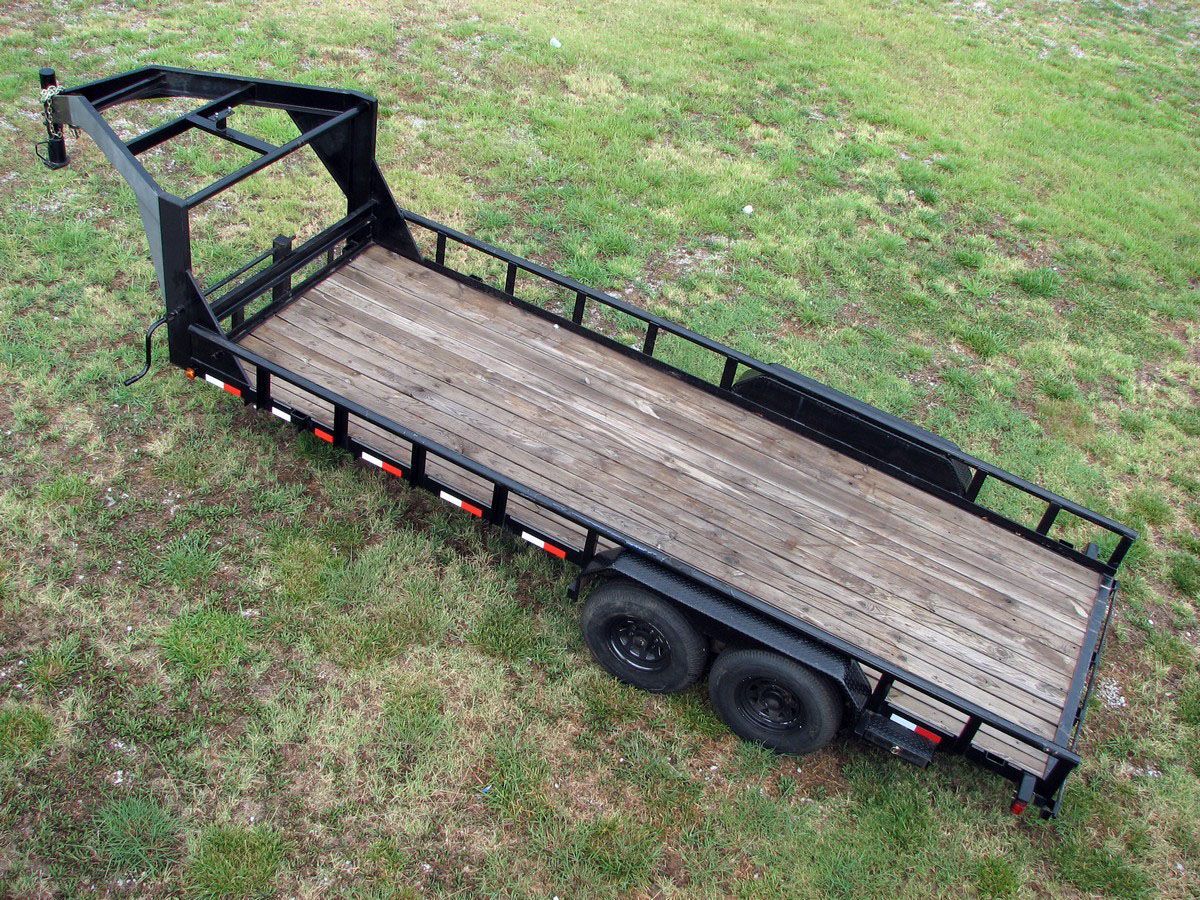
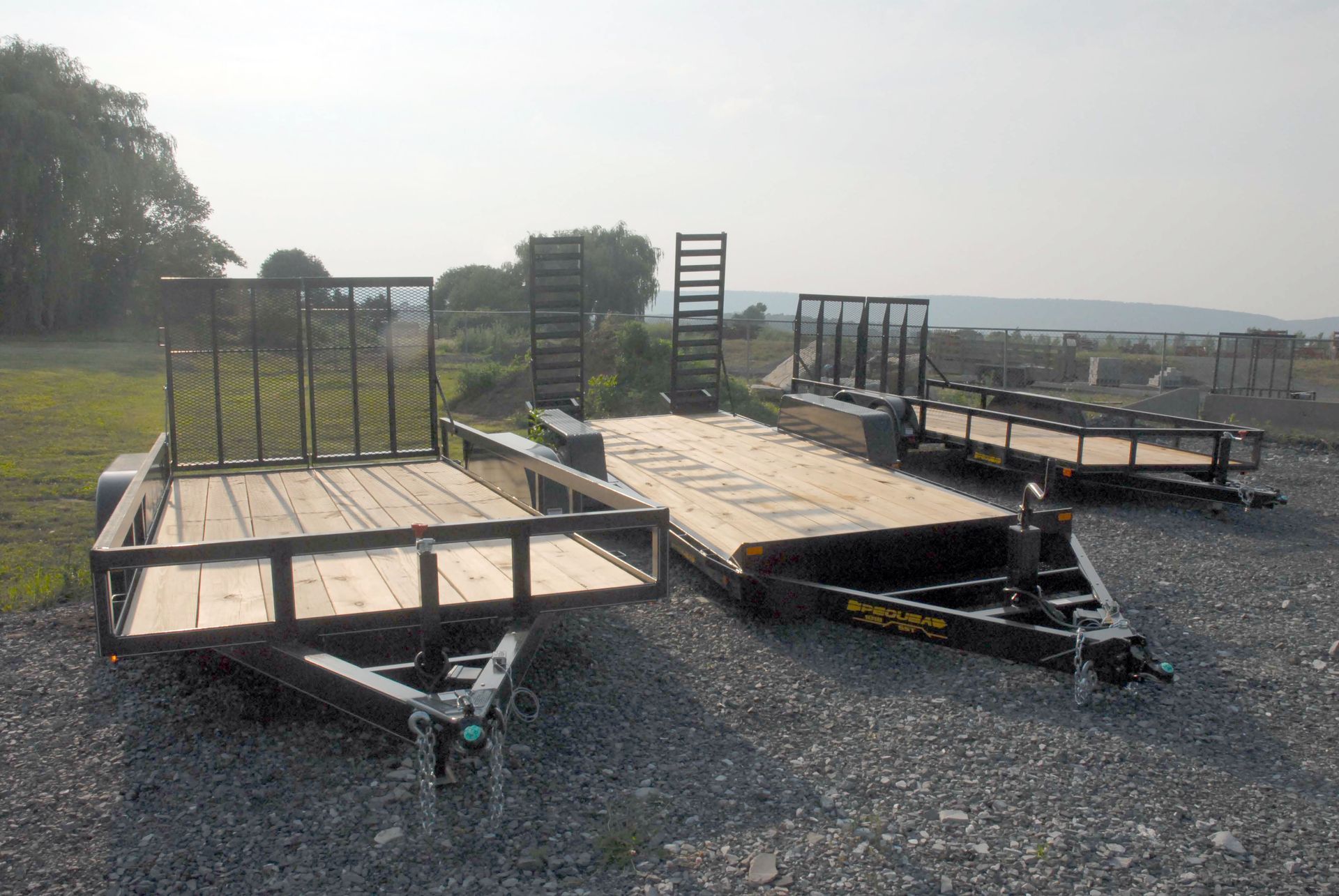
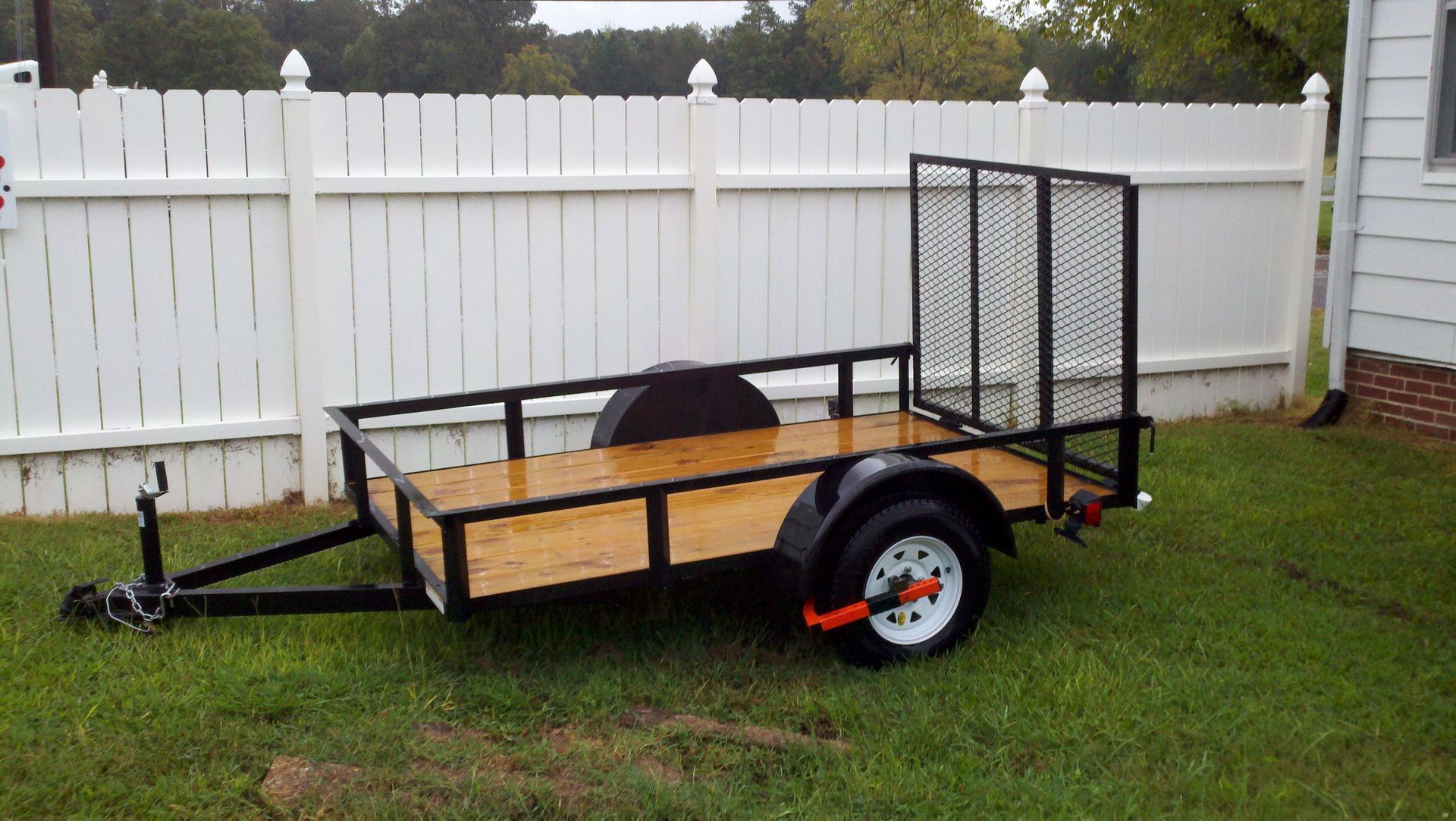
Commercial operators and homeowners frequently face the challenge of moving items that differ wildly in size, shape, and weight. A versatile utility trailer accommodates everything from bulky construction debris to delicate lawnmowers with ease. Because these units come in open flatbeds, enclosed structures, and heavy-duty tandem setups, operators can quickly choose the right configuration for any job.
Customization options further enhance this operational versatility across various hauling scenarios. Adding customized racks, specialized tie-down tracks, or loading ramps allows owners to tailor their equipment for very specific cargo needs. Over time, this level of adaptability ensures that a single investment continues to deliver value even as your transportation demands change.
When dealing with substantial material volumes, standard vehicle trunks and truck beds quickly hit their physical limits. High-capacity trailers are engineered to distribute heavy cargo evenly across dedicated axles, ensuring safer handling on the road. This robust load management enables users to haul substantial payloads that would otherwise require multiple small trips or specialized commercial shipping services.
2. Gain Flexible Towing Options
Connecting a towing setup to a standard vehicle provides immediate operational flexibility for drivers. Modern hitch systems allow operators to connect a utility trailer to cars, crossovers, SUVs, or pickup trucks with minimal effort. This rapid connection process means you can switch hauling setups between vehicles as needed, eliminating the requirement to purchase a dedicated commercial vehicle.
Taking full control of your transport schedule represents another major operational advantage. Relying on third-party freight carriers often introduces unexpected delays, restrictive delivery windows, and high shipping fees. Owning a trailer gives you full autonomy over when and how goods are transported, keeping your personal projects or business workflows right on schedule.
Loading cargo is also significantly easier thanks to low deck heights and integrated tailgate ramps. Operators spend less time physically straining to lift heavy items into high truck beds, which speeds up the loading process considerably. Streamlining these physical tasks reduces workplace injuries and helps workers focus their energy on completing primary project tasks efficiently.
3. Lower Overall Transport Costs
Operating a dedicated hauling trailer is a remarkably cost-effective solution compared to maintaining a fleet of large cargo trucks. Towing an efficient utility trailer generally consumes less fuel than driving heavy commercial trucks across long distances. Over time, these fuel savings add up significantly for small business owners and individuals who move supplies on a regular basis.
Consolidating cargo into a single travel route further reduces total operating expenses. Instead of driving back and forth multiple times to move building supplies or equipment, operators can move everything in one well-planned trip. Fewer trips result in lower fuel usage, reduced engine wear, and lower routine maintenance expenses for the primary towing vehicle.
Purchasing a trailer requires a much smaller capital investment than buying a brand-new commercial vehicle. According to research from Mordor Intelligence, total valuation for the truck trailer industry reached $49.72 billion in 2025, demonstrating the widespread adoption of these economical transportation tools. Choosing a trailer allows companies to scale up their transport capabilities without taking on massive vehicle debt or high insurance premiums.
4. Protect Cargo During Transit
Securing cargo properly is essential for protecting valuable supplies and preventing dangerous accidents on highway routes. Equipped with specialized tie-down points and heavy-duty D-rings, a well-built utility trailer allows operators to anchor heavy loads firmly. Securing cargo properly prevents shifting during transit, keeping goods intact and protecting other drivers on the road.
Advanced suspension systems and wide axle stances provide exceptional stability while traveling over rough or uneven surfaces. Smooth rides protect sensitive machinery and fragile materials from excessive vibrations or jarring impacts along the route. Properly designed braking systems also give drivers complete control when stopping heavy loads in unexpected traffic situations.
Enclosed models offer complete protection from harsh weather conditions such as rain, snow, and extreme sunlight. Shielding sensitive tools, furniture, or agricultural products from weather exposure prevents costly damage during long journeys. Maintaining cargo integrity during transit ensures that deliveries arrive at their destination in pristine condition every time.
5. Expand On-Site Storage Capacity
Beyond active transportation duties, trailers serve as highly effective temporary storage spaces on job sites or home properties. Parked securely near a work site, a utility trailer keeps tools, building materials, and equipment safely contained until they are needed. This temporary storage function helps businesses manage fluctuating inventory without paying for permanent warehouse rentals.
Storing equipment inside a protected, covered space extends the overall lifespan of valuable machinery. Keeping tools out of direct rain and damp soil prevents premature rust, corrosion, and mechanical breakdown over time. Investing in reliable equipment protection minimizes unexpected repair bills and preserves tool performance across years of continuous operation.
Optimizing available space on job sites creates a cleaner, safer, and more organized working environment. Storing extra supplies neatly inside a trailer frees up ground space, reducing trip hazards for workers and visitors. Organized storage systems inside the unit also allow crews to quickly locate required items, improving daily productivity across all tasks.
6. Promote Eco-Friendly Shipping Practices
Streamlining logistics through consolidated hauling trips delivers significant environmental advantages by reducing overall carbon emissions. Moving larger cargo volumes in fewer trips drastically cuts down fuel consumption across both short routes and long highway drives. Lowering carbon footprints aligns with modern environmental goals while helping businesses operate more sustainably over time.
Many manufacturers now use eco-friendly production methods and lightweight, recyclable materials to build modern equipment. Using lighter structural metals reduces the overall weight of the utility trailer, which directly improves fuel efficiency during operation. Choosing sustainable hauling equipment allows environmentally conscious buyers to support green manufacturing trends across the transportation sector.
Reducing the total number of vehicles needed for material transport helps alleviate overall traffic congestion on busy roadways. Smooth traffic flow results in less idling time, reduced emissions, and less overall stress on public highway infrastructure. Integrating efficient towing solutions into daily logistics planning supports cleaner, smarter, and far more sustainable transportation networks overall.
Investing in the right trailer transforms complex logistics into a manageable, highly efficient process. From expanding storage capacity and lowering fuel costs to improving highway safety, these tools offer immense value for personal and commercial users alike. By selecting a model tailored to your specific payload requirements, you gain complete freedom over your transport schedules and operational budget.
Taking the step to upgrade your transport equipment ensures long-term peace of mind and enhanced productivity. Whether you need an open flatbed for construction supplies or an enclosed model for valuable tools, finding high-quality equipment is simple when working with experienced professionals. Visit us at Bagley Trailer Sales today to explore our full inventory and find the perfect model for your hauling needs.