May 22, 2026
Choosing the right trailer is an important decision that can affect how efficiently and safely you complete your hauling tasks. With so many options available, it’s easy to feel overwhelmed by the different sizes, features, and capabilities. The right choice depends on understanding your specific needs and how you plan to use the trailer on a regular basis. From transporting equipment to moving materials, each use case requires careful consideration. Making an informed decision upfront can help you avoid costly adjustments later. Working with experienced trailer dealers can also provide valuable guidance throughout the selection process.
Identifying Your Hauling Requirements Clearly
The first step in selecting the right trailer is understanding exactly what you will be hauling. Different types of cargo require different trailer features, and being specific about your needs helps narrow down your options. Consider the size, shape, and weight of the items you plan to transport regularly. It’s also important to think about how often you will use the trailer and under what conditions. Occasional light hauling may require a different setup than frequent heavy-duty use. Trailer dealers often emphasize that a clear plan leads to a more practical and efficient purchase.
Considering Weight Capacity and Load Limits Carefully
Weight capacity is one of the most critical factors to evaluate when choosing a trailer. Every trailer has a maximum load it can safely carry, and exceeding that limit can result in safety risks and damage. It’s important to calculate the total weight of your cargo, including any additional tools or accessories. According to the DOT, typical tractor-trailer limits in the United States are around 80,000 pounds, highlighting how important it is to stay within safe ranges. Even if your needs are smaller, understanding weight limitations ensures better decision-making. Trailer dealers can help you match your hauling needs with the appropriate capacity.
Choosing the Right Trailer Type for Your Needs
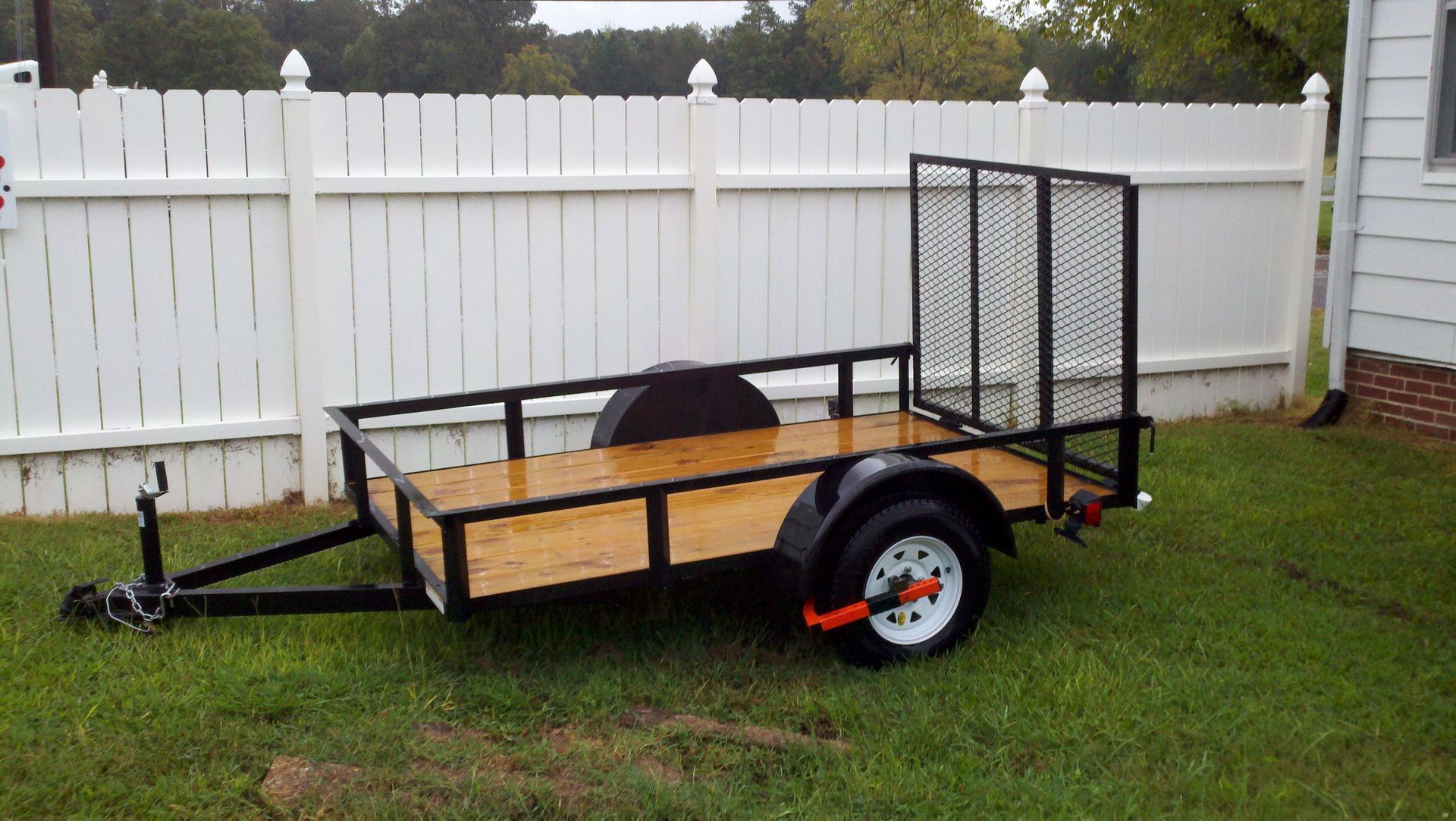
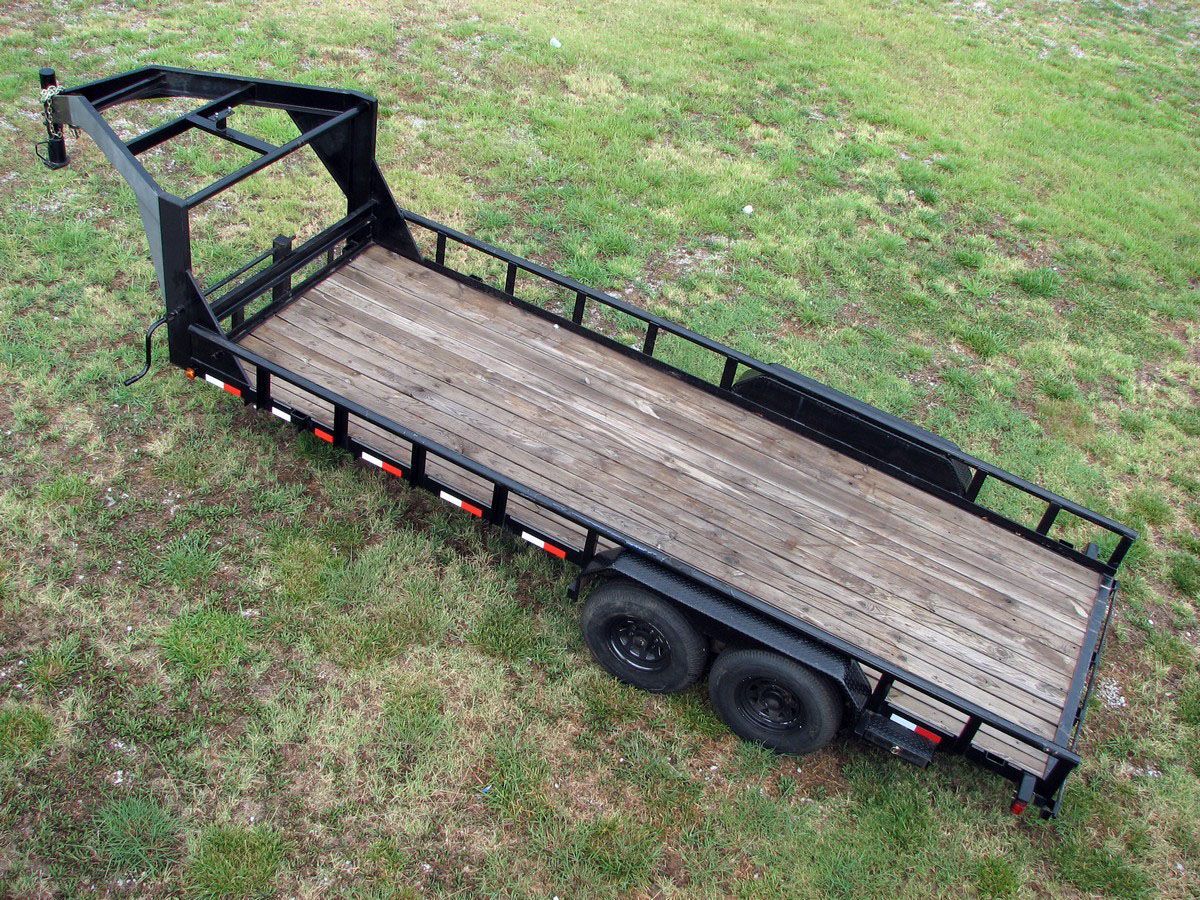
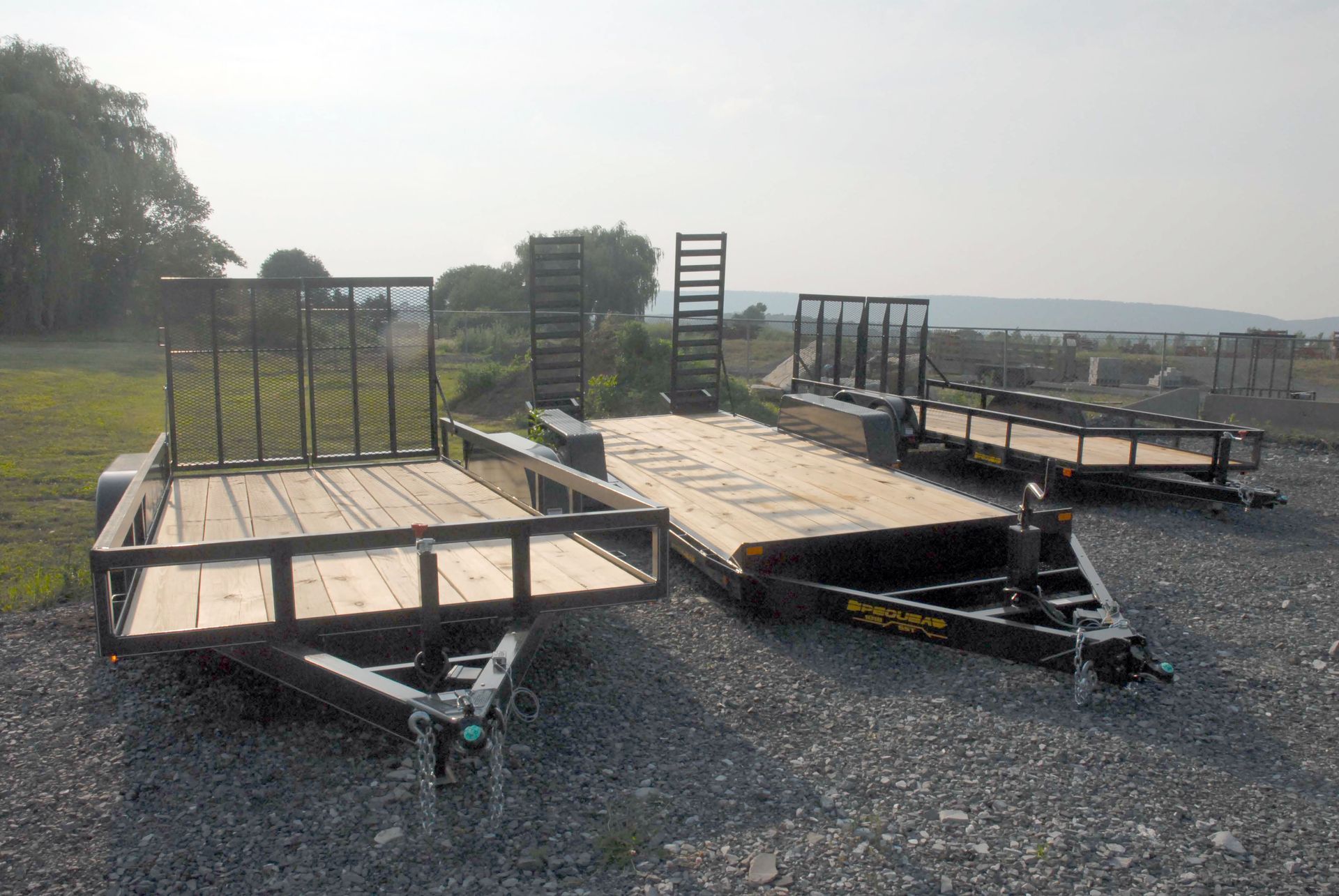
There are several trailer types available, each designed for specific hauling purposes. Utility trailers are versatile and work well for general tasks, while enclosed trailers offer protection from weather and theft. Flatbed trailers are ideal for oversized or irregularly shaped loads, providing easy access for loading and unloading. Equipment trailers are built for heavier machinery and often include reinforced frames. Selecting the right type depends on how you intend to use the trailer on a consistent basis. Trailer dealers can explain the advantages of each option and help you determine the best fit.
Evaluating Trailer Size and Dimensions Accurately
The size of your trailer plays a major role in both functionality and convenience. A trailer that is too small may limit what you can transport, while one that is too large can be difficult to maneuver. Consider the length, width, and height of the trailer in relation to your cargo. You should also think about how the trailer will be stored when not in use. Having a bit of extra space can be helpful, but too much can become impractical. Trailer dealers often recommend finding a balance between capacity and ease of handling.
Understanding Axle Configuration and Stability
Axle configuration is another important factor that affects how a trailer performs on the road. Single-axle trailers are typically easier to maneuver and are suitable for lighter loads. Tandem-axle trailers provide greater stability and can handle heavier weights more effectively. The number of axles also impacts how the weight is distributed across the trailer. This can influence both safety and overall performance during transport. Trailer dealers can help you determine which configuration aligns best with your hauling requirements.
Prioritizing Durability and Build Quality
A well-built trailer is essential for long-term reliability and performance. Materials such as steel and aluminum offer different benefits, including strength and resistance to corrosion. Paying attention to construction details, such as weld quality and frame design, can help you assess durability. A high-quality trailer is more likely to withstand frequent use and challenging conditions. Investing in durability upfront can reduce the need for repairs and replacements later. Trailer dealers often guide buyers toward options that offer lasting value.
Considering Towing Vehicle Compatibility
Your towing vehicle must be capable of handling the trailer you choose. Exceeding your vehicle’s towing capacity can lead to mechanical issues and unsafe driving conditions. It’s important to check your vehicle’s specifications and match them with the trailer’s weight and size. Hitch compatibility and braking systems should also be considered. Proper alignment between your vehicle and trailer ensures smoother operation and better control. Trailer dealers can assist in verifying compatibility to help you avoid potential problems.
Reviewing Brake Systems and Safety Features
Safety should always be a top priority when selecting a trailer. Features such as reliable brake systems, proper lighting, and secure hitch connections are essential for safe operation. Heavier trailers often require advanced braking systems to maintain control during transport. Safety chains, reflectors, and tie-down points also contribute to overall security. Taking the time to evaluate these features can make a significant difference on the road. Trailer dealers can walk you through the available safety options and their benefits.
Planning for Storage and Maneuverability
Storage and maneuverability are practical considerations that should not be overlooked. Larger trailers may require dedicated storage space, while smaller ones are easier to park and handle. Consider where you will store the trailer and how often you will need to move it. Tight spaces and urban environments may call for more compact options. Ease of maneuverability can also impact how comfortable you feel using the trailer regularly. Trailer dealers can help you find a size that fits both your hauling and storage needs.
Factoring in Maintenance and Long-Term Costs
Owning a trailer involves ongoing maintenance to keep it in good condition. Regular inspections, tire maintenance, and proper storage all contribute to its longevity. Choosing a trailer that is easy to maintain can save time and money over the long term. It’s also important to consider the availability of replacement parts and service options. A well-maintained trailer will perform better and last longer. Trailer dealers can provide insights into maintenance requirements for different models.
Exploring Customization Options for Specific Needs
Customization can enhance the functionality of your trailer and make it better suited to your tasks. Features such as ramps, toolboxes, and additional tie-down points can improve efficiency. Custom options allow you to tailor the trailer to your specific hauling requirements. This flexibility is especially useful for specialized applications. Discussing your needs with trailer dealers can help you identify the most valuable upgrades. A customized trailer can provide added convenience and performance.
Choosing the right trailer requires careful consideration of multiple factors, from weight capacity to design and compatibility. Taking the time to evaluate your needs and explore your options can lead to a more satisfying purchase. Professional guidance can simplify the process and provide clarity when comparing different models. Trailer dealers offer valuable expertise that can help you make a confident decision. With the right information, you can select a trailer that supports your hauling goals effectively. A well-chosen trailer will serve as a reliable tool for years to come.
If you’re ready to find the right trailer for your hauling needs, Bagley Trailer Sales is here to help. Their team offers a wide selection of high-quality trailers along with the knowledge needed to guide your decision. Whether you need something for light use or heavy-duty hauling, they can match you with the right option. Contact Bagley Trailer Sales today to explore available models and get expert assistance tailored to your needs.